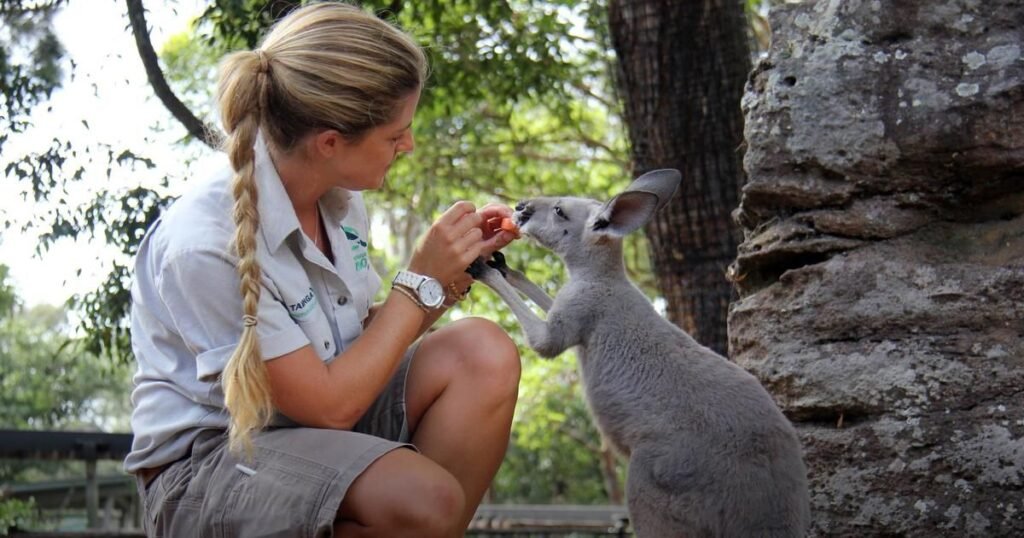
If you enjoy animals, biology, conservation and scientific research, zoology can lead to a surprisingly broad range of careers. Zoology Jobs are not limited to working in a zoo or caring for animals. Depending on your education and interests, you can work in wildlife research, conservation, laboratories, government agencies, universities, environmental organizations and other scientific settings.
The search for Zoology Jobs usually reflects several different needs: students may want to know what qualifications are required, graduates may be looking for suitable career paths, and experienced professionals may be exploring specialist roles. Understanding what zoologists actually do, where they work and which skills employers value can make the job search much more focused.
What Are Zoology Jobs?
Zoology Jobs involve the scientific study of animals and their behavior, biology, habitats, health, reproduction and interactions with ecosystems. The work can involve both laboratory research and field studies, depending on the position.
The U.S. Bureau of Labor Statistics classifies zoologists and wildlife biologists together as an occupation. Their work can include collecting biological information, studying animal populations, monitoring wildlife, analyzing data, researching diseases and assessing how human activity affects animals and their habitats.
That means a zoology career can look very different from one professional to another. One person might spend much of the year analyzing data in a laboratory, while another could spend weeks conducting wildlife surveys outdoors.
Types of Zoology Jobs
There is no single career path for someone with a zoology background. Specialization often determines the type of work available.
Wildlife Biologist
Wildlife biologists study animal populations and their relationship with ecosystems. Their work may include population monitoring, habitat assessment, conservation projects and field research.
Animal Behavior Researcher
Animal behavior specialists investigate how animals communicate, reproduce, interact and respond to environmental conditions. Research can involve observation, experiments and statistical analysis.
Conservation Scientist
Conservation-focused professionals work to protect species, habitats and biodiversity. They may contribute to conservation plans, environmental assessments or population-management programs.
Marine Zoology Careers
People interested in aquatic animals may pursue careers involving marine mammals, fish, invertebrates or marine ecosystems. Some positions require extensive fieldwork, including work at sea.
Entomology and Other Specializations
Zoology can also lead toward specialized areas such as entomology, ornithology, herpetology, mammalogy and ichthyology. The specialization usually reflects the animals or biological questions a professional chooses to study.
Where Can Zoologists Work?
Zoologists can work in government, research organizations, universities, conservation groups and consulting services. Some work in laboratories and offices, while others spend substantial time outdoors.
In the United States, government is a particularly significant employer for zoologists and wildlife biologists. BLS data for 2025 show that government agencies accounted for the largest share of employment in this occupational category, followed by scientific and technical consulting, social advocacy organizations, research and development, and colleges and universities.
Potential workplaces include wildlife agencies, environmental organizations, research institutions, museums, universities and organizations involved in habitat or species conservation.
Education Requirements for Zoology Jobs
A bachelor’s degree is typically the starting point for zoologists and wildlife biologists in the United States. Relevant study areas can include zoology, wildlife biology, biology and natural resources.
Higher-level positions can require additional education. A master’s degree may be useful for advanced professional roles, while a Ph.D. is typically needed for independent research leadership and many academic research careers.
Education alone, however, is not the whole picture. Practical experience can be extremely valuable. Internships, volunteer positions, laboratory work and field experience can help students develop skills that are difficult to learn solely through classroom study.
Skills Employers Look For
Successful zoologists need more than an interest in animals. Scientific and practical skills are central to many professional roles.
Important skills include:
- Data collection and analysis
- Scientific writing
- Research methods
- Statistics
- Critical thinking
- Communication
- Teamwork
- Observation
- Problem-solving
- Fieldwork and outdoor skills
Modern zoological research can also involve geographic information systems, modeling software and other digital tools. These technologies can help researchers track animal movement, estimate populations and examine changes affecting wildlife.
What Is the Salary for Zoologists?
Salary varies considerably according to location, employer, experience, specialization and education. For that reason, there is no single worldwide salary figure that accurately represents all Zoology Jobs.
For a current U.S. benchmark, the Bureau of Labor Statistics reports a median annual wage of $76,780 for zoologists and wildlife biologists in May 2025. The lowest 10 percent earned less than $49,100, while the highest 10 percent earned more than $126,440.
These figures apply specifically to the U.S. occupation classification and should not be treated as a guaranteed salary for an individual job or as a worldwide average.
Are Zoology Jobs in Demand?
The U.S. Bureau of Labor Statistics projects employment for zoologists and wildlife biologists to grow 4% between 2025 and 2035, approximately as fast as the average for all occupations. It projects about 1,400 openings per year on average during that period.
Demand can be influenced by conservation needs, biodiversity research, ecosystem changes and government funding. At the same time, zoology is a relatively specialized occupation, so competition for some research and conservation positions can be strong.
This is why students interested in the field can benefit from developing complementary skills such as statistics, GIS, programming, scientific communication and project management.
How to Find Zoology Jobs
A focused search is usually more effective than searching only for the word “zoologist.” Related titles can open up additional opportunities.
Try searching for terms such as:
- Wildlife biologist
- Research assistant
- Conservation biologist
- Animal behavior researcher
- Field biologist
- Biological technician
- Environmental scientist
- Wildlife technician
- Laboratory technician
Government career portals, university vacancy pages, conservation organizations and specialist scientific job boards can all be useful places to look. In the United States, the BLS specifically points job seekers toward resources such as CareerOneStop and USAJOBS.
Advantages and Challenges of a Zoology Career
One of the biggest advantages is variety. Professionals can work with different species, ecosystems and research questions. For someone genuinely interested in animals and science, the work can also provide an opportunity to contribute to conservation and better understand the natural world.
The challenges are equally important to consider. Fieldwork can involve difficult terrain, changing weather, remote locations and irregular schedules. Some researchers may need to travel extensively or spend long periods away from home. BLS notes that outdoor work can be physically demanding and that some zoologists work irregular hours, particularly when studying nocturnal animals.
Is Zoology a Good Career Choice?
Zoology can be a strong career choice for people who enjoy scientific investigation and are prepared for the education and competition involved. It is particularly suited to people who want to combine biology with fieldwork, research, conservation or environmental science.
However, prospective students should look beyond the job title. A degree in zoology can provide a foundation for several biological and environmental careers, so flexibility can be an advantage when entering the job market.
Conclusion
Zoology Jobs cover much more than traditional animal-related work. Careers can range from wildlife research and conservation to laboratory science, environmental consulting and academic research. The right path depends heavily on education, specialization, practical experience and the type of environment in which you want to work.
For anyone considering this field, the best preparation is a combination of strong biological knowledge, practical experience and useful technical skills. Checking current vacancies and local employment requirements is also essential because opportunities and qualifications vary by country and employer.
FAQs
1. What degree is needed for zoology jobs?
A bachelor’s degree is typically required for entry-level zoologist and wildlife biologist positions in the United States. Advanced research roles may require a master’s degree or Ph.D.
2. Can zoologists work outside?
Yes. Many zoologists conduct fieldwork outdoors, although others primarily work in laboratories, offices or research facilities.
3. Are zoology jobs only available in zoos?
No. Zoologists can work in government, research, conservation, universities, consulting and other scientific settings.
4. What skills are useful for zoology careers?
Research, statistics, data analysis, communication, critical thinking, observation and fieldwork skills can all be valuable.
5. Is zoology a competitive career?
Some zoology positions can be competitive because the occupation is specialized. Gaining practical experience and developing complementary technical skills can improve career flexibility.
