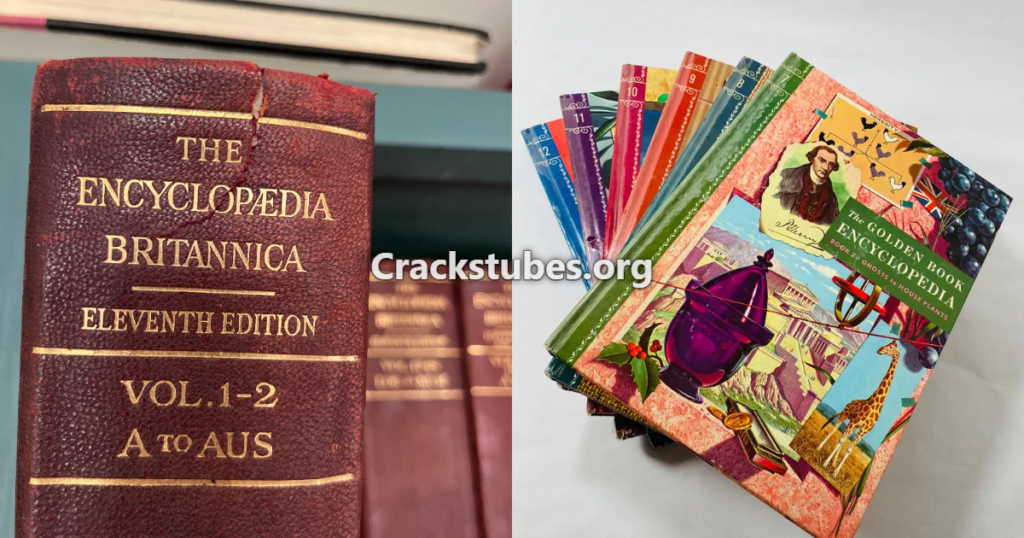
An encyclopedia set is more than a collection of books sitting on a shelf. It is a structured reference resource designed to bring information about different subjects together in one place. Traditional sets may contain several volumes covering history, science, geography, nature, technology, culture and other areas of knowledge. Today, readers can also find specialized encyclopedia sets created specifically for children, students or particular subjects.
If you are searching for an encyclopedia set, the main question is usually not simply what an encyclopedia is, but which type is useful, how the volumes are organized and whether a physical reference collection is still worth buying. Understanding those differences makes it easier to choose a set that actually matches your needs.
What Is an Encyclopedia Set?
An encyclopedia is a reference work containing articles and information about many subjects. An encyclopedia set is the collection of individual books, or volumes, that together form the complete reference work. Cambridge Dictionary describes an encyclopedia as a book or set of books containing articles dealing with human knowledge or a particular area of knowledge.
A traditional encyclopedia set can range from a handful of books to a much larger multi-volume collection. The subjects may be arranged alphabetically, thematically or according to the publisher’s own structure.
For example, one volume might cover a section of the alphabet while another continues with later entries. In specialized collections, each book may instead focus on a particular subject such as space, animals, science or the human body.
How Are Encyclopedia Sets Organized?
The organization depends on the publisher and the purpose of the collection.
General encyclopedia sets commonly use alphabetical arrangements so readers can quickly locate a person, place, concept or subject. Other collections are divided by subject, making them easier to use for focused learning.
Each individual book is generally called a volume. A complete encyclopedia set therefore consists of multiple volumes that work together as one reference collection.
Some modern children’s sets take a different approach. Instead of presenting information in a traditional alphabetical format, they may use separate illustrated books covering specific themes. Current examples include children’s sets focused on topics such as Earth, science, animals, space and the human body.
What Can You Find in an Encyclopedia Set?
The exact content varies considerably, but a general encyclopedia may include information about:
- History and important historical events
- Geography and countries
- Science and technology
- Animals and the natural world
- Art, literature and culture
- Famous people and notable figures
- Space and astronomy
- Inventions and discoveries
- Definitions of important concepts
A specialized encyclopedia set may narrow this coverage considerably. This can be useful when the reader is interested in one particular subject rather than general knowledge.
Encyclopedia Sets for Children
Children’s encyclopedia sets are often designed differently from traditional reference collections. They tend to use shorter explanations, illustrations and simpler language to make unfamiliar subjects easier to understand.
For example, current children’s collections are marketed for specific age groups and may combine colorful illustrations with introductory information about science, history, nature or the wider world.
Parents should check the recommended age, reading level and subjects before buying. A large collection is not automatically better if the material is too advanced or too basic for the intended reader.
Why Buy an Encyclopedia Set?
One major advantage is convenience. Instead of searching through unrelated books, a well-organized encyclopedia set provides a broad reference collection in one place.
Physical encyclopedias can also be useful for children who are developing research and reading habits. Looking through a volume can encourage readers to discover subjects they were not originally searching for.
Another benefit is structure. Encyclopedia articles are generally written as reference material, allowing readers to start with a basic explanation and then explore related topics.
However, an encyclopedia should not automatically be treated as the final authority on every subject. For academic research, readers should also consult current specialist publications and authoritative sources, especially when information may have changed.
Are Encyclopedia Sets Still Useful Today?
Yes, but their usefulness depends on the reader.
The internet has made it much easier to find current information quickly. Digital reference resources can also be updated more easily than printed books. For that reason, a large physical encyclopedia set may not be the most practical choice for someone who primarily needs current facts.
Printed sets can still have value as educational resources, especially for children, collectors, libraries and people who enjoy physical reference books.
Older encyclopedia sets may also have historical or collectible interest. Their value, however, depends on factors such as the publisher, edition, completeness, condition, rarity and demand. A large number of volumes alone does not guarantee that a set is valuable.
What Should You Check Before Buying?
Before purchasing an encyclopedia set, consider several practical details.
First, check whether all volumes are included. A missing volume can make an otherwise complete collection less useful.
Next, look at the publication date. Older editions may contain valuable historical information, but facts about science, technology, medicine and current affairs can become outdated.
Condition is also important for used sets. Check the binding, pages, illustrations, markings and signs of water or moisture damage.
Finally, consider the intended reader. A children’s encyclopedia, school reference collection and specialist encyclopedia are designed for very different purposes.
Encyclopedia Set vs. Individual Reference Books
An encyclopedia set provides breadth, while individual reference books can offer greater depth on a particular topic.
Someone researching a wide range of school subjects may benefit from a general collection. A reader studying astronomy, medicine or history in detail may be better served by specialist books written specifically for that field.
The best choice therefore depends on how the books will actually be used rather than simply how large the collection is.
What Reliable Sources Tell Us
The basic definition of an encyclopedia is well established: it is a reference resource containing organized information about a broad range of subjects or a particular field.
Current commercial examples also show that encyclopedia sets remain available in physical formats, particularly for children and educational use. Publishers offer collections with different numbers of books, subjects, age recommendations and formats.
There is no single standard number of books that defines an encyclopedia set. The number of volumes, subjects and arrangement varies from one collection to another.
Conclusion
An encyclopedia set is a multi-volume reference collection created to organize knowledge in a convenient format. Traditional sets can cover a wide range of subjects, while modern children’s collections often focus on specific themes and use accessible language and illustrations.
For buyers, the most important considerations are the set’s age, edition, subjects, completeness, condition and intended purpose. A carefully chosen encyclopedia can still be a useful educational and reference resource, even in an age when most information is available digitally.
FAQs
What is an encyclopedia set?
It is a collection of reference books, usually made up of multiple volumes, containing information about many subjects or a particular field.
What is each book in an encyclopedia set called?
Each individual book is generally called a volume. Several volumes together form the complete encyclopedia set.
Are encyclopedia sets good for children?
They can be useful when the content matches the child’s age and reading ability. Children’s sets often use illustrations and simpler explanations.
Are old encyclopedia sets worth anything?
Some can have collectible or historical value, but age alone does not determine price. Edition, condition, completeness and demand are important factors.
Should I buy a physical encyclopedia set today?
It depends on your needs. Physical sets can be useful for education and reference, while digital resources are often more convenient for information that changes frequently.
